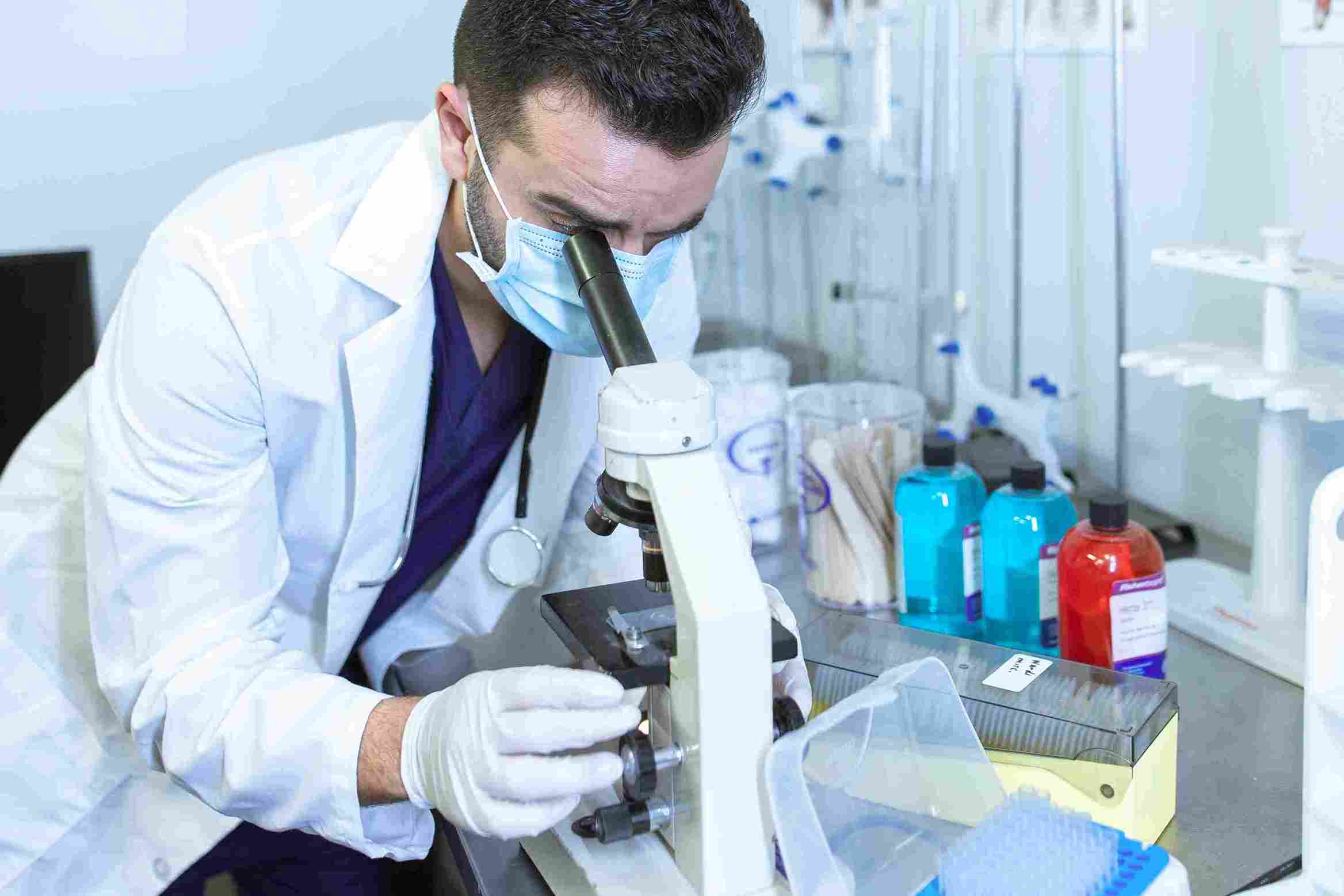
Validation of aseptic processes is essential to ensuring the successful end result for manufacturers – a safe, effective finished product. However, the process starts long before that. Active ingredients and sterile bulk material must achieve the appropriate level of sterility assurance. This course will provide an in-depth overview of the requirements for cGMP-compliant aseptic process validation. This includes a detailed summary and analysis of mandates and guidance from several entities, including the US Food and Drug Administration (FDA), the Pharmaceutical Inspection Co-operation Scheme (PICs), and the European Union (EU). This interactive session will highlight industry best practices, and discuss common errors and deficiencies.
Finally, this course will discuss prospective, concurrent, and retrospective validation, plus the role of revalidation.
LEARNING OBJECTIVES
At the completion of this course, attendees will be able to:
- Interpret the requirements of the FDA, EU, and PICs guides to aseptic processing
- Identify all the elements of a complete aseptic validation:
- Container Closure Integrity
- Container Closure sterilization
- Filter Validation
- Equipment cleaning/disinfecting
- Equipment maintenance and testing
- Sterility testing
- Personnel Training
- Environmental Monitoring
- Recognize the requirements associated with Media Fills; including:
- Define the importance of media fills/process simulations to sterility assurance
- The methods for simulating an aseptic process for the various types of products, i.e. liquid, semi-liquid, and solid dosage forms.
- State the validation requirements and acceptance criteria for aseptic media fills
- Identify “worst case” conditions and critical interventions
WHO WILL BENEFIT?
Operations employees participating in manufacturing, quality control testing, and validation as part of their job function will find this course highly beneficial. This includes employees in the following functions:
- Production
- QC Microbiology
- Engineering & Validation
- Facilities / Maintenance
- Quality Assurance
At the completion of this course, attendees will be able to:
- Interpret the requirements of the FDA, EU, and PICs guides to aseptic processing
- Identify all the elements of a complete aseptic validation:
- Container Closure Integrity
- Container Closure sterilization
- Filter Validation
- Equipment cleaning/disinfecting
- Equipment maintenance and testing
- Sterility testing
- Personnel Training
- Environmental Monitoring
- Recognize the requirements associated with Media Fills; including:
- Define the importance of media fills/process simulations to sterility assurance
- The methods for simulating an aseptic process for the various types of products, i.e. liquid, semi-liquid, and solid dosage forms.
- State the validation requirements and acceptance criteria for aseptic media fills
- Identify “worst case” conditions and critical interventions
Operations employees participating in manufacturing, quality control testing, and validation as part of their job function will find this course highly beneficial. This includes employees in the following functions:
- Production
- QC Microbiology
- Engineering & Validation
- Facilities / Maintenance
- Quality Assurance